Funny Cute Babies Talking on the Phone Compilation
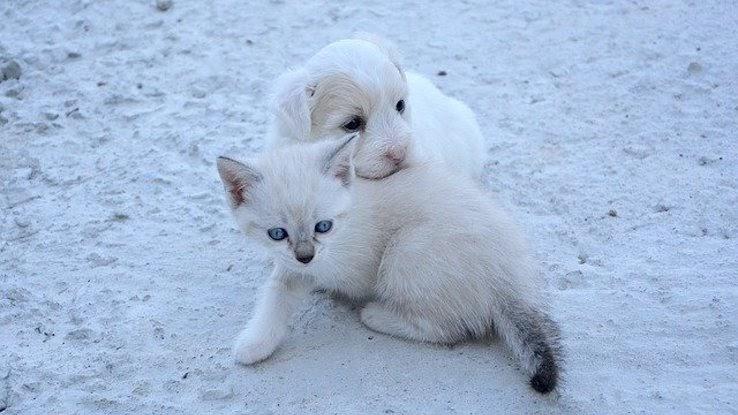
If you ever need a dose of cuteness, then ane surefire way to become it is by looking at pictures of infant animals. Playful puppies, curious kittens, fluffy chicks and mannerly bunnies are adorably heart-melting. But forth with these obviously cute critters, have you seen the other, lesser-appreciated sweet animals?
From the oceans and skies to the jungles, farmyards and everywhere in between, there are baby animals to fawn over all over — pun intended! Read on and be prepared for cuteness overload.
Meerkats
Merely wait at this cute footling meerkat pup! Infant meerkats are born underground in litters of upwards to viii siblings. They then join a wider meerkat family known as a mob. When they're born, they counterbalance just a teeny-tiny 25 grams and need a bit of help getting by, every bit they remain deaf, blind and hairless for a few days to a couple weeks.
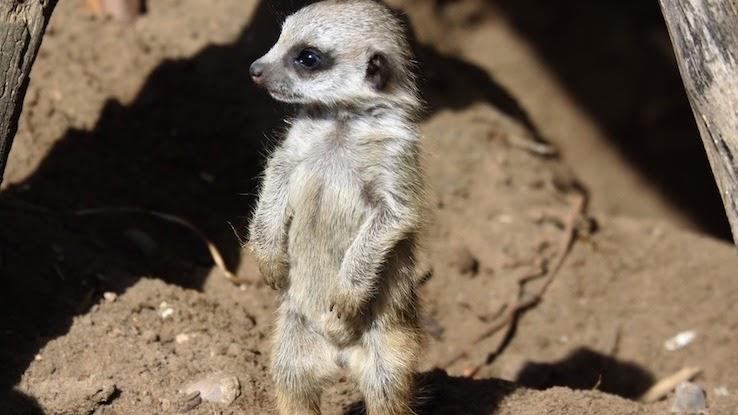
Subsequently effectually 9 weeks, the mother starts to wean the pups. In just under 2 years, the meerkat babies go mature plenty to begin having cute babies of their very own.
From meerkats to, well, actual cats. Whether they're big ol' tigers or itty-bitty housecats, any kind of baby feline is adorable. With their sugariness mewing sounds and their tiny paws, it would be hard for your heart non to melt.
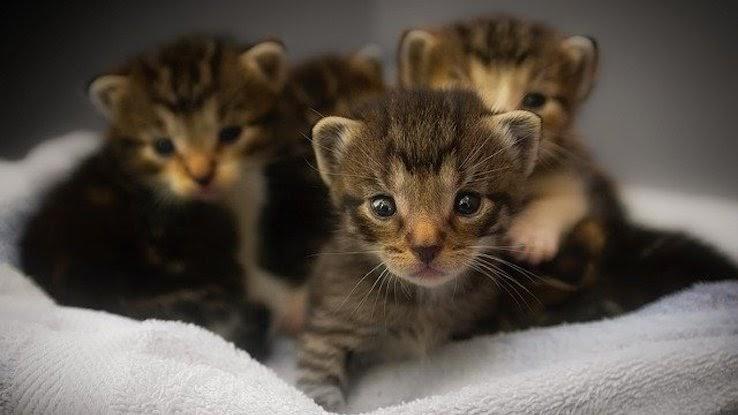
And what'south even cuter than a kitten? That would be a kindle, which is the collective noun for a litter of kittens. Although kittens are born blind, they all start with blue eyes, which sometimes change to green or hazel. They also have a perfect sense of odor to detect their mother's milk.
Dogs
We couldn't mention kittens without, of form, talking about puppies. Just take a look at this puppy's confront! He gives a whole new meaning to "puppy dog optics." How could you lot stay mad at that?
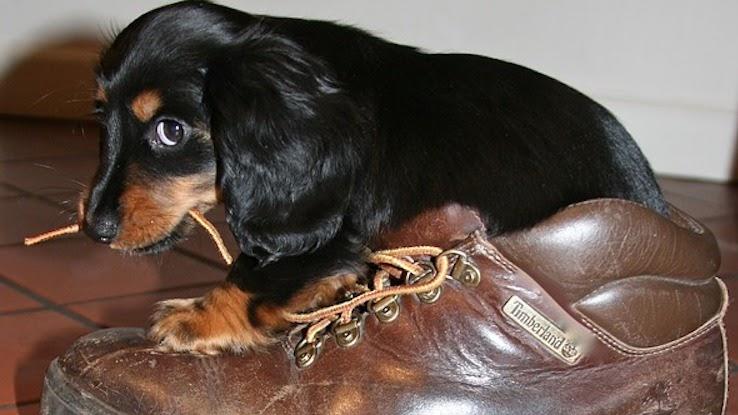
Before the naughty stage, puppies are born deaf, blind and toothless and spend upwardly to 20 hours a 24-hour interval sleeping. Newborn puppies too can't poop — the female parent licks their behinds to help them. And then, spare a thought for the female parent of the largest litter. That title belongs to a Neapolitan Mastiff from England who gave birth to a litter of 24.
Foxes
More beautiful canines? This time we have babe foxes, which are called kits. Trick litters are, on average, larger than canis familiaris litters, usually numbering up to 11. Similar to cats, foxes aren't pack animals. After the babies go out their homes, or dens, at around vii months sometime, they roam nearly alone.
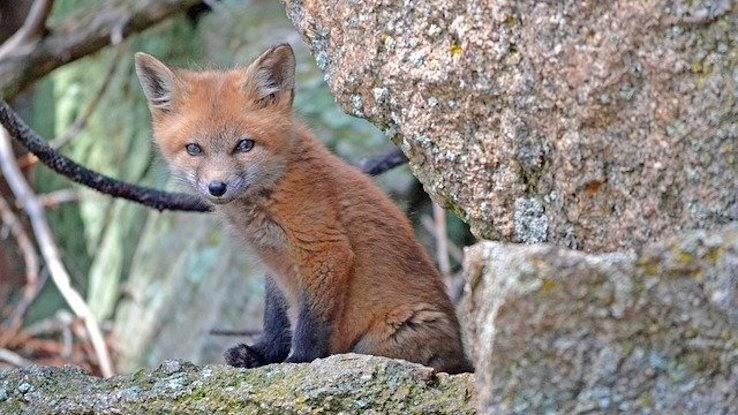
Fox varieties can be found on every single continent apart from Antarctica. Like cat and dog babies, they're besides very playful. The tiniest fox breed in the world is the fennec fox. Fennec fox kits tin can counterbalance an adorable xl grams — a footling less than a golf ball.
Squirrels
Infant squirrels are also called kits. A mother squirrel usually gives birth to a maximum of 8 kits, and she weans them after around three months. Later this, they never normally roam more than a couple of miles abroad from where they were built-in.
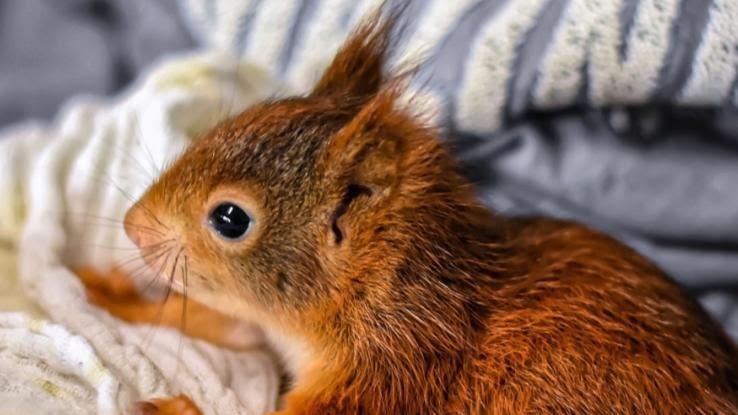
At that place are more than 200 species of squirrels, with 3 main categories: tree squirrels, basis squirrels and flying squirrels. The smallest squirrel brood is the African Pygmy Squirrel, which has babies every bit tiny as a newborn mouse. A final fun squirrel fact: A group of squirrels is accordingly called a scurry!
Penguins
We can't go enough of this cute baby penguin! Before they get their distinctive blackness and white "tuxedos," baby penguins, or chicks, are covered in brown, white or gray fluff to keep them warm.
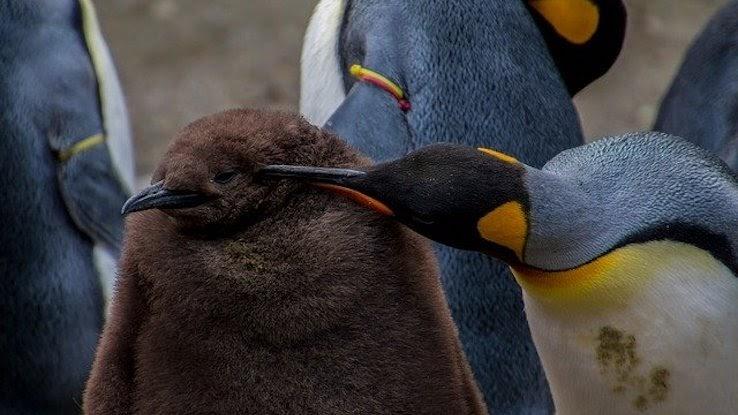
Penguin moms and dads are monogamous and pair for the whole mating flavor. Emperor penguins only lay i egg, while other penguin breeds accept 2. Information technology'southward the male person penguin'southward job to keep the egg warm in his fat folds while mom goes hunting for food. She'll bring back a tummy full of fish to regurgitate for the male person and chick. Tasty.
Seahorses
Hither's another daddy with big responsibilities. The seahorse father is the ane that gets pregnant and gives birth to the babies, which number thousands at a time afterwards contractions of up to 12 hours.
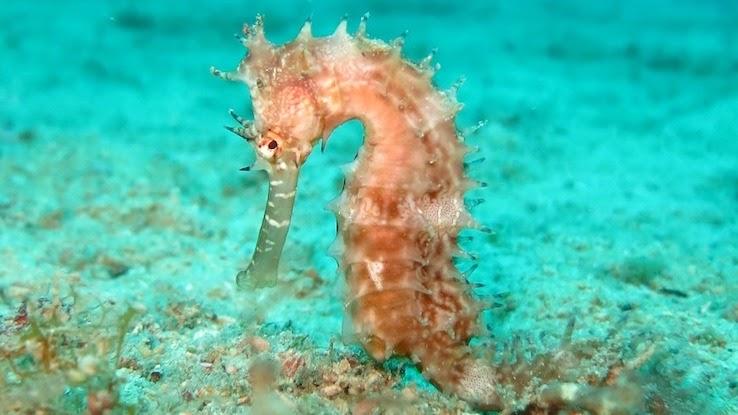
These cute little critters come up firing out, collectively known every bit fry (disappointingly, not seafoals). They are then left to fend for themselves, drifting along and eating tasty plankton. It's a good thing the tiny babies are built-in in large numbers, because their pocket-sized size and vulnerability hateful they are easy prey, with fewer than one in a 1000 surviving into adulthood.
Horses
While adult horses are seen as strong and serious, baby horses are simply seriously cute and impuissant. Foals start walking and even running with the herd within a matter of hours, simply are all the same classed as foals until they are around a year old when their name changes to yearling.
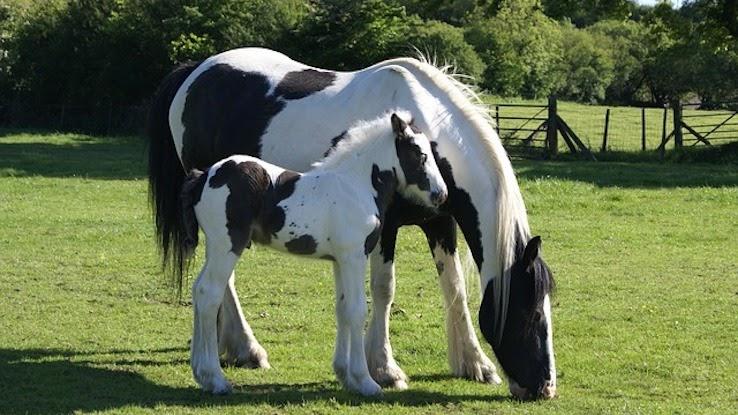
Fillies (girl foals) and colts (male child foals) are famously playful young babies, but the separation process is particularly hard for them. They often miss their mom and the rest of the herd if they are moved, so they need lots of extra companionship and attention.
Hippopotamuses
"Hippopotamus" comes from the Greek give-and-take for "horse." The babies act very foal-like too — sweet and playful until they abound up into stiff (and quite scary) adult hippos.
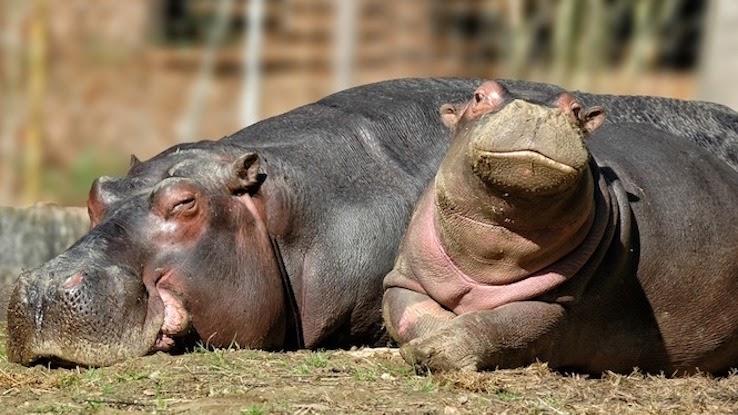
A baby hippo, or dogie, is usually 110 pounds, although a baby pygmy hippo tin be equally small-scale as a human baby. They depend on their moms, suckling until around a year. As hippos can spend upward to 18 hours underwater each day, baby hippos tin suckle underwater too, fifty-fifty though they can't swim. So the calves kind of just bob along or tread the shallows until they learn.
Rhinos
Hippos' rough-skinned relatives, the rhinos, just have one infant at a time, or occasionally twins. And look how cute they are! Around 145 pounds of cuteness to be precise, which apace starts growing — they're the second-largest mammals on World.
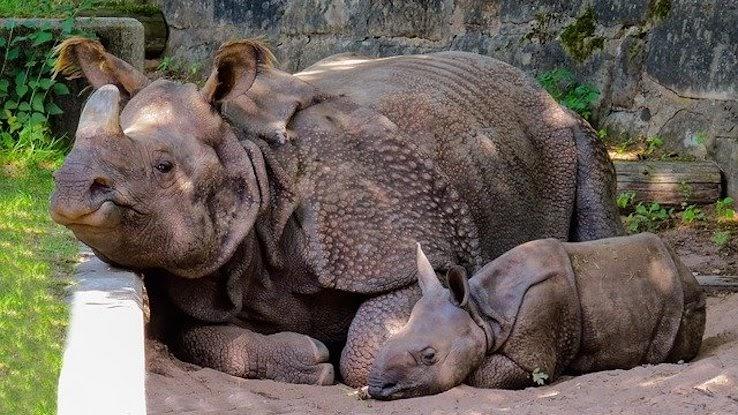
A rhino mom stays meaning for around a year and a half. Then when the calf is born, it closely bonds to its mother, mimicking her behavior and never leaving her side. The baby sticks effectually for about three years before setting out on its own to showtime a new rhino family unit.
Llamas
This adorable babe llama looks like something out of a kids' drawing. So soft and fluffy! Baby llamas are called crias, and they are born weighing about twenty pounds earlier they grow to over 70 inches tall. Llamas are dislocated with alpacas, only they are significantly taller than their cousins.
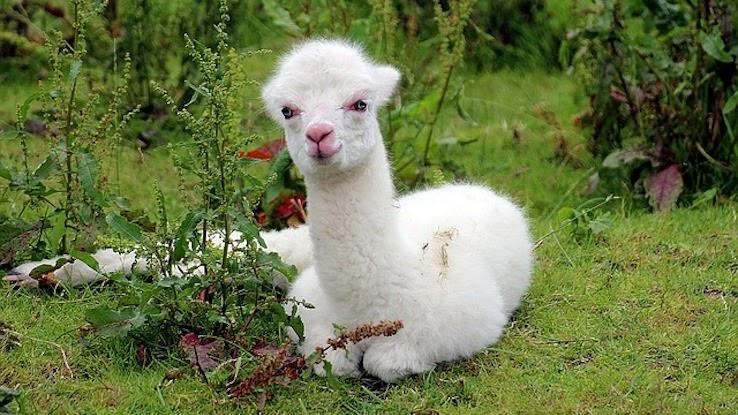
They are very friendly and smart creatures, and despite popular belief, only spit when highly agitated — not just randomly at humans. Here's another fun llama fact: Their poop is completely odorless and quite useful. The Ancient Incas used to utilize llama poop every bit fuel.
Giraffes
Baby giraffes are the tallest babies in the animal kingdom and manage to wobble to a standing position within an hr — and that'south afterwards falling several feet to the basis when their mothers give birth.
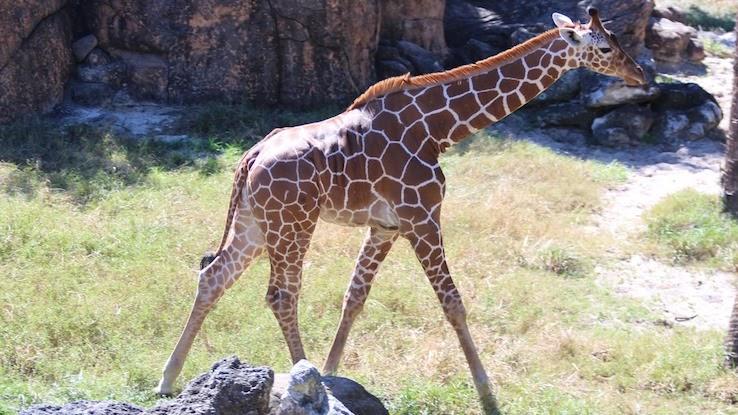
Once it stands, a giraffe calf is around six feet tall, weighing 150 pounds. The mother nurses, cleans and feeds the baby leaves that it can't reach. She'll then teach it how to graze — something giraffes do for upwards to 18 hours a day.
Bears
Isn't this infant deport ambrosial, just chillin' in the tree? No wonder soft toys have been modeled on bears for centuries. They're very playful and extremely curious. It's hard to imagine they abound up to be i of the most ferocious creatures on the planet.
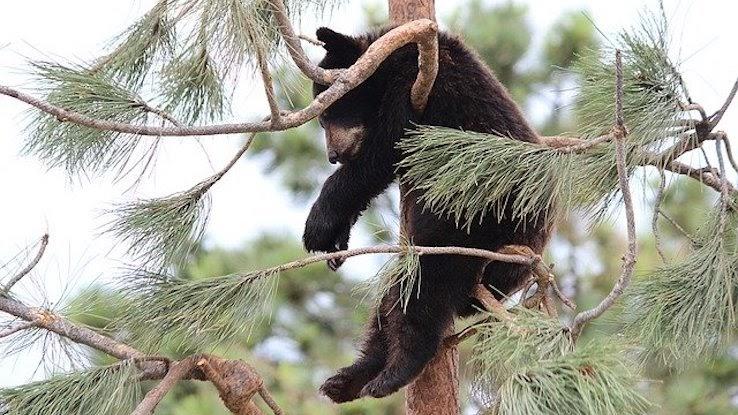
Babe bears stay with their very appreciating and protective mothers for around two years, which gives them time to mature and acquire essential hunting and protection skills. The young bear may non wander likewise far and often dens with its mother in the winter for another three or four years.
Apes
The ape family unit'south members are the closest living relatives to humans. They include chimps, gorillas and ambrosial orangutans like the ane pictured hither. Their human-similar quality makes them seem so cute, and the babies act a lot like homo babies.
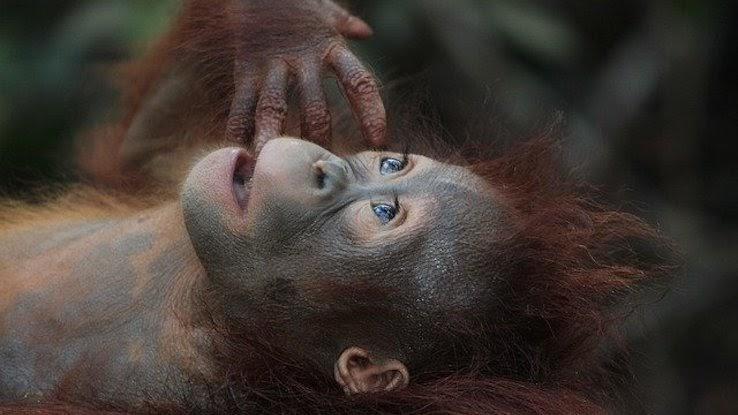
Baby orangutans, also called infants, weep when they are hungry or scared. They smile at their mothers, and they have reactions such as joy and surprise. Again, like human babies, they nurse from their female parent until the age of two to iii. They continue to nest with the mom until they're around seven or viii years old.
Skunks
Cute baby skunks are called kits. The female parent is meaning for effectually ii months, and the babies are built-in in litters of up to x. They're built-in helpless, with their eyes sealed for about three weeks. They terminate suckling from their mom subsequently effectually two months. So, later on a year, they're ready to have their own kits.
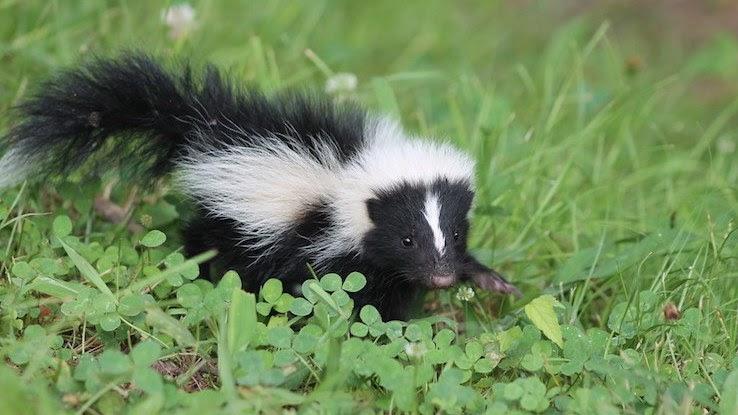
Skunks have to pack a lot into their piddling lives, equally they only live for around three years. However, if they are kept as pets, which is becoming increasingly popular, they can live for upwardly to around eight years.
Seals
Just look at this sweet seal sunbathing! Seal moms have one babe each year. The babies are called pups, considering they kind of look and act a fiddling similar dogs of the bounding main.
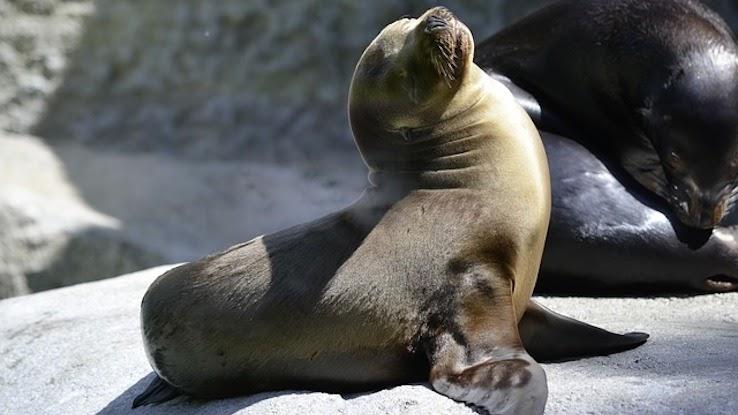
The footling pups live on land, eating crabs, snails and other sea life until their downy waterproof fur grows, which takes around a calendar month. Their mothers stay with the pups the whole time, and every bit the odd crustacean and clam isn't plenty to proceed the moms nourished, their fat reserves are converted to energy for their bodies.
Goats
Baby goats, or kids, are adorably clumsy and curious. They take their get-go steps a few moments after being born. When they are notwithstanding suckling from the mother goat, called a nanny or doe, she hides them under rocks or in other spots to go on them safe from predators.
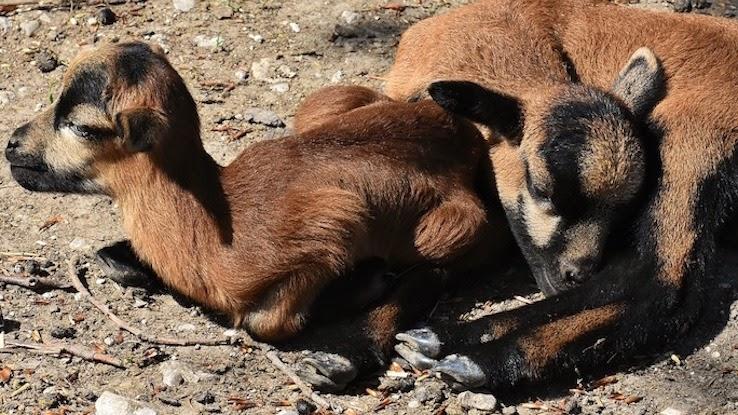
Goats are quite smart. You lot can teach them to come when called and recognize their names. They have around the aforementioned lifespan as dogs and get on with other animals really well, and so they brand cracking pets (as long as they don't eat your whole garden!).
Snails
Chances are yous don't think much well-nigh snails, and if y'all do, it'southward probably in a negative sense when they munch your garden plants. But, these critters produce very cute-looking babies. The mother can take hundreds of eggs. Thankfully for her, but around l babies successfully hatch. They're built-in with almost transparent, very soft shells.
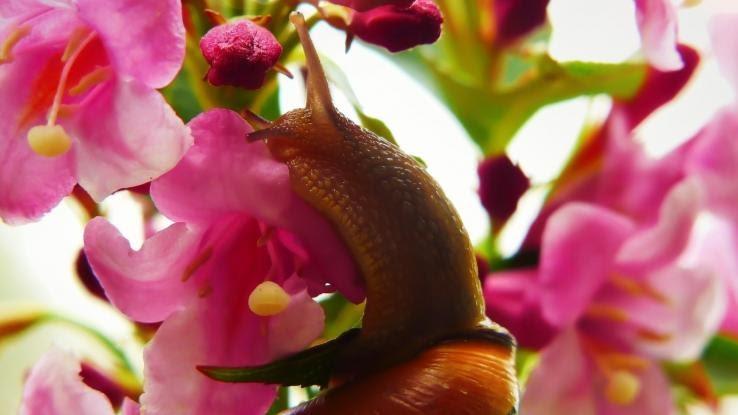
Babe snails aren't vulnerable for long. They mature pretty fast and live upward to seven years. Giant African land snails, which are native to warmer climates and are popular every bit pets, tin can live to an impressive 15 years.
Ostriches
Ostriches are the world's largest birds. Their eggs go into a communal nest, storing around 60 futurity baby ostriches. The adults, male and female, accept turns sitting on the eggs until they hatch about twoscore days after being laid.
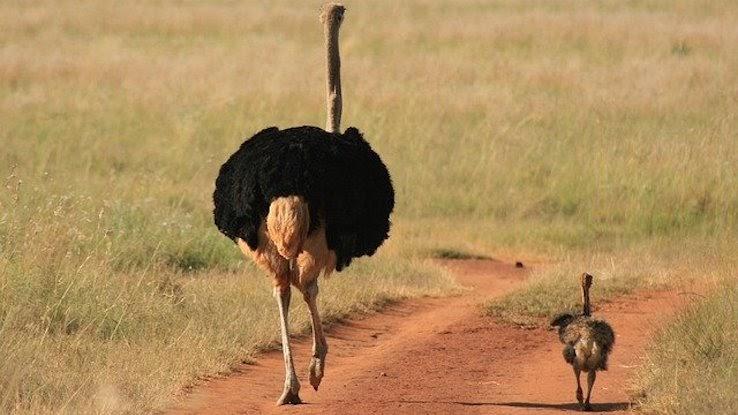
When baby ostriches hatch, they're the same size as a large craven. If predators approach them, the female shields her infant while the male person causes a lark so that the predator chases him instead. After around six months, the baby chick has reached its full adult tiptop.
Rabbits
Rabbits have multiple litters each twelvemonth, with effectually nine babies, or kits, per litter. They're born pretty helpless and stay in the nest, lined with grass and their mom's fur. The momma pretty much leaves the kits alone so as not to draw attention to the nest. She does wake the kits up at mealtimes, though.
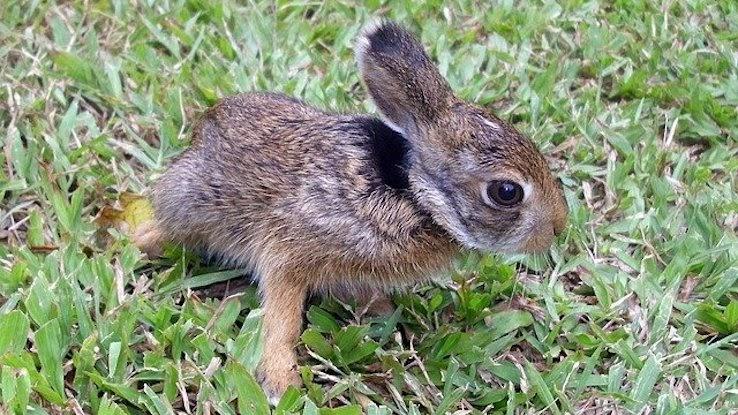
In one case the kits emerge, they bring together their considerable family outside. Rabbits have a very sophisticated communication system. Tiny twitches and facial expressions help them tell other bunnies how they're feeling, where food is, if in that location are predators and then on.
Raccoons
Baby raccoons are known as kits or cubs, and the mother and infant collectively are chosen a nursery. A typical raccoon litter is born in the summertime months and consists of around four babies.
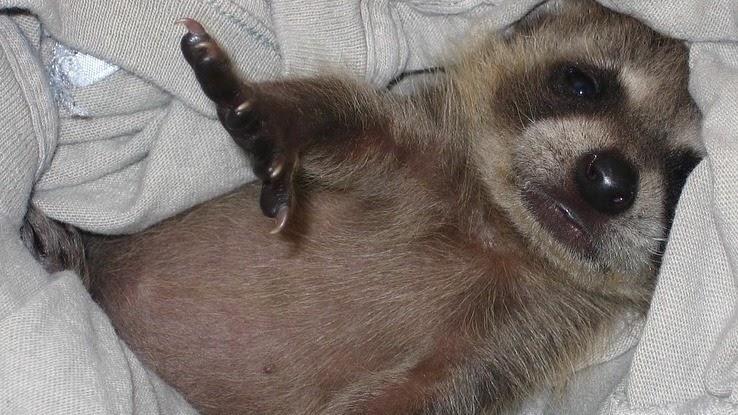
Raccoon kits stay in their den for 2 months and are weaned at effectually seven weeks quondam. At about 12 weeks former, the kits kickoff to roam away from their mothers for whole nights at a fourth dimension. Raccoons are seen equally pests past some. But, when they're tamed, their behavior is quite cat-like, and some people even keep them every bit pets.
Squids
You probably weren't expecting to see squids on this listing, but you can't deny this little fella looks adorable! A mother squid releases an astonishing 100,000 eggs, and about of them hatch after a couple of weeks. The babies, or fry, are then in a larval stage before they're classed as juveniles and and then adult squids later on a few weeks more.
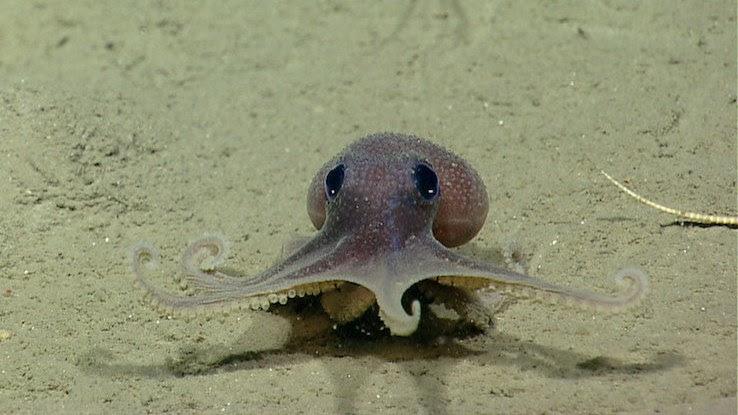
The squid population on Earth is increasing speedily. Scientists believe the reason is that global warming is speeding upward squid metabolism and growth.
Lizards
When baby lizards hatch, they are pretty much independent, eating what an adult would consume, such equally ants and other insects. Baby lizards are called hatchings, and the adorable hatchling pictured is the offspring of a horned lizard.
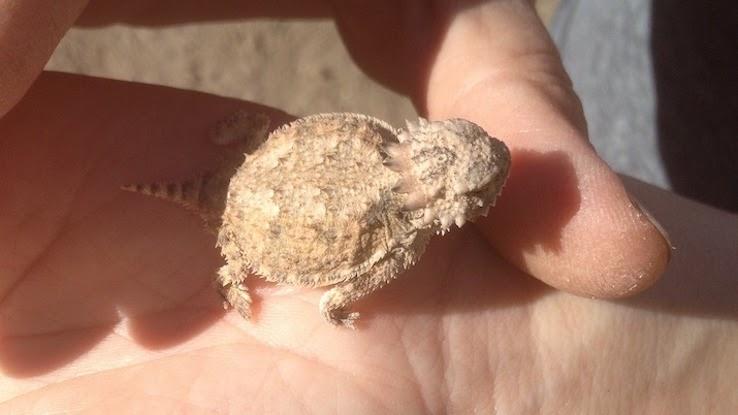
Then-called "horny toads" are native to North America, simply they are not kept as pets due to their very specialized diet. They have some incredible defense mechanisms to scare off predators in the wild, including the sudden inflation of their bodies past gulping down air. They tin can as well squirt claret from their eyes. Non so cute!
Alligators
The female alligator lays up to xc eggs, which she hides under a covering of vegetation while they incubate for a few months. When they sally, baby alligators are just a couple of anxiety long.
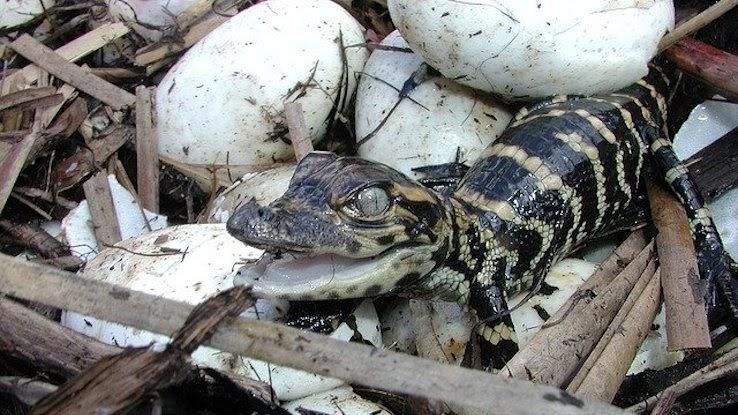
The sex of the babies is determined by the temperature of the nest. The colder the eggs are, the more females at that place'll exist, and vice versa. American alligators alive in freshwater, slow-moving rivers in the United States, from N Carolina to the Rio Grande.
Elephants
Doesn't this baby elephant await cute and fancy-free trotting along? A baby elephant is called a calf, and when information technology'south born it stands at an adorable 30 inches alpine. Baby elephants tin can't see so well when they're born, only they recognize their mothers through smell, touch and audio.
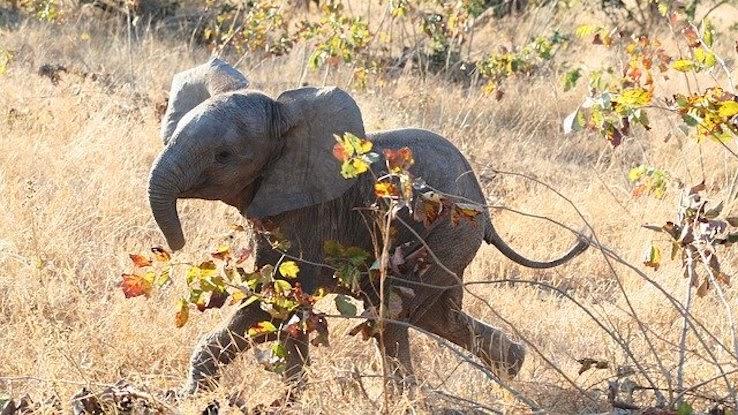
Effectually 99% of calves are built-in at night and may have cute curly black or red hair on their foreheads. Elephant mothers have to stay nourished and hydrated because a hungry calf can guzzle a few gallons of milk per mean solar day.
Turtles
Baby turtles, or hatchlings, don't have a very smooth starting time in life. They're born in nests that their mothers make on the beach. They hatch from their shells, dig their fashion out of the sand and must face up an obstacle course of uneven sand, driftwood, rocks and other beach droppings — dodging predators also — to finally reach the water.
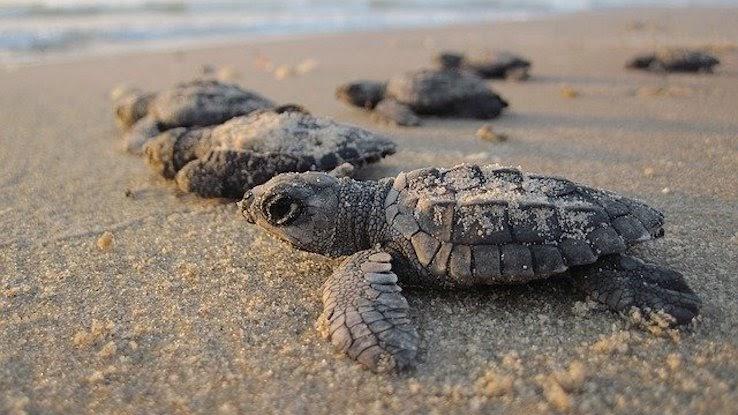
Once the hatchlings successfully make it to the waters, they begin what'due south chosen a "swimming frenzy" to get abroad from dangerous, predator-packed shorelines. This frenzy may last for several days and varies in intensity and duration among species.
Pufferfish
Sticking with the sea, this cute lilliputian critter is a baby pufferfish, or pufferfish fry. But look at its sweet smile! Pufferfish, also known equally blowfish or balloon fish, release between iii and 7 eggs at a time, and the lite eggs bladder on the h2o'due south surface until they hatch around a week later.
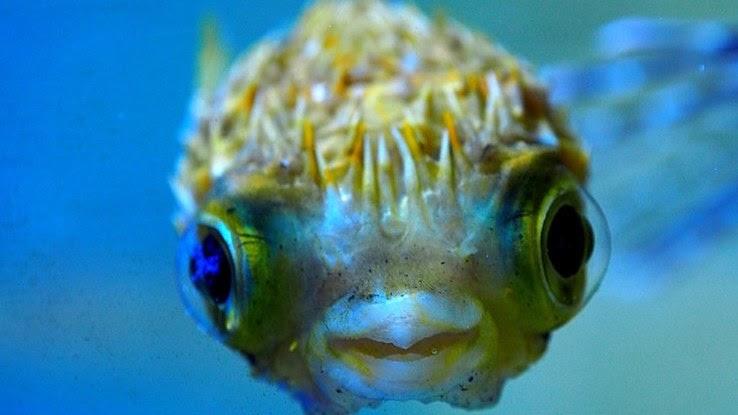
Some pufferfish can grow upward to several feet in length, and despite looking pretty adorable, they're 1 of the deadliest creatures on the planet if eaten. Yet, they avoid getting eaten by puffing themselves upward to three times their normal size when they run into predators.
Sloths
Sloths are pretty cute as adults, but the babies are even cuter — especially as they are free from the mold that adult sloths get covered in! Baby sloths don't accept a different proper name than adults; they're merely chosen "babe sloths." They're born weighing about 10 ounces and have fur already. Their eyes are open, and they fifty-fifty have the power to climb.
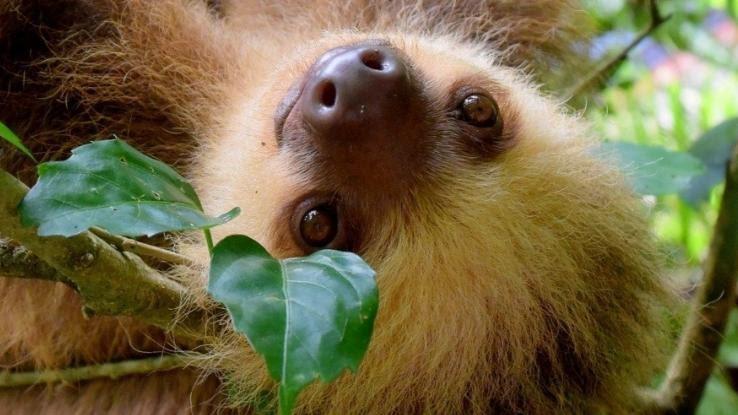
They cling to their mothers' fur for the first few weeks subsequently birth. Sloths spend their entire lives usually living in the same tree, and because they movement then slowly, they can live long lives of around 30 years.
Warthogs
Young warthogs are called piglets and are born weighing a couple of pounds. The piglets live with their mother in their nest, which is called a sounder. Piglets are weaned when they reach four months quondam, and they officially become mature at twenty months of age.
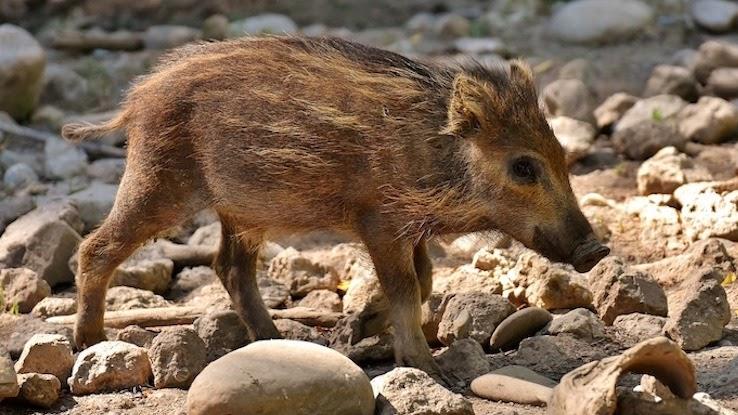
Female person warthogs tend to stay with their mothers when they become adults, while male warthogs tend to become off on their own to mate. Warthogs tin live to be almost 20 years old and inhabit the grasslands and wooded areas of Africa.
Anteaters
The anteater, or ant bear, is related to the sloth. Mother anteaters only accept 1 baby, or pup, at a time. A pup rides on its mother's back later she bends down for him to climb on. She can't pick him up herself because of her long claws!
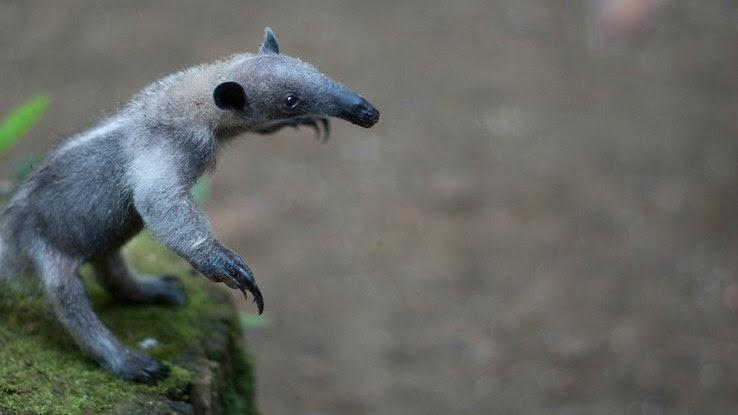
While some smaller anteater varieties are the size of a squirrel, giant anteaters can grow to several feet long. Anteaters are known for their specialized tongues, which are long and sparse like spaghetti to become into anthills and other insect nests. Some anteater tongues are 24 inches long.
gilbertsonoweig1954.blogspot.com
Source: https://www.life123.com/lifestyle/surprisingly-cute-baby-animals?utm_content=params%3Ao%3D740009%26ad%3DdirN%26qo%3DserpIndex

Post a Comment for "Funny Cute Babies Talking on the Phone Compilation"